Case Study Zero

CAN WE DESIGN ZERO CARBON HOME USING BIO-BASED MATERIALS AND OFF-SITE CONSTRUCTION METHODS?
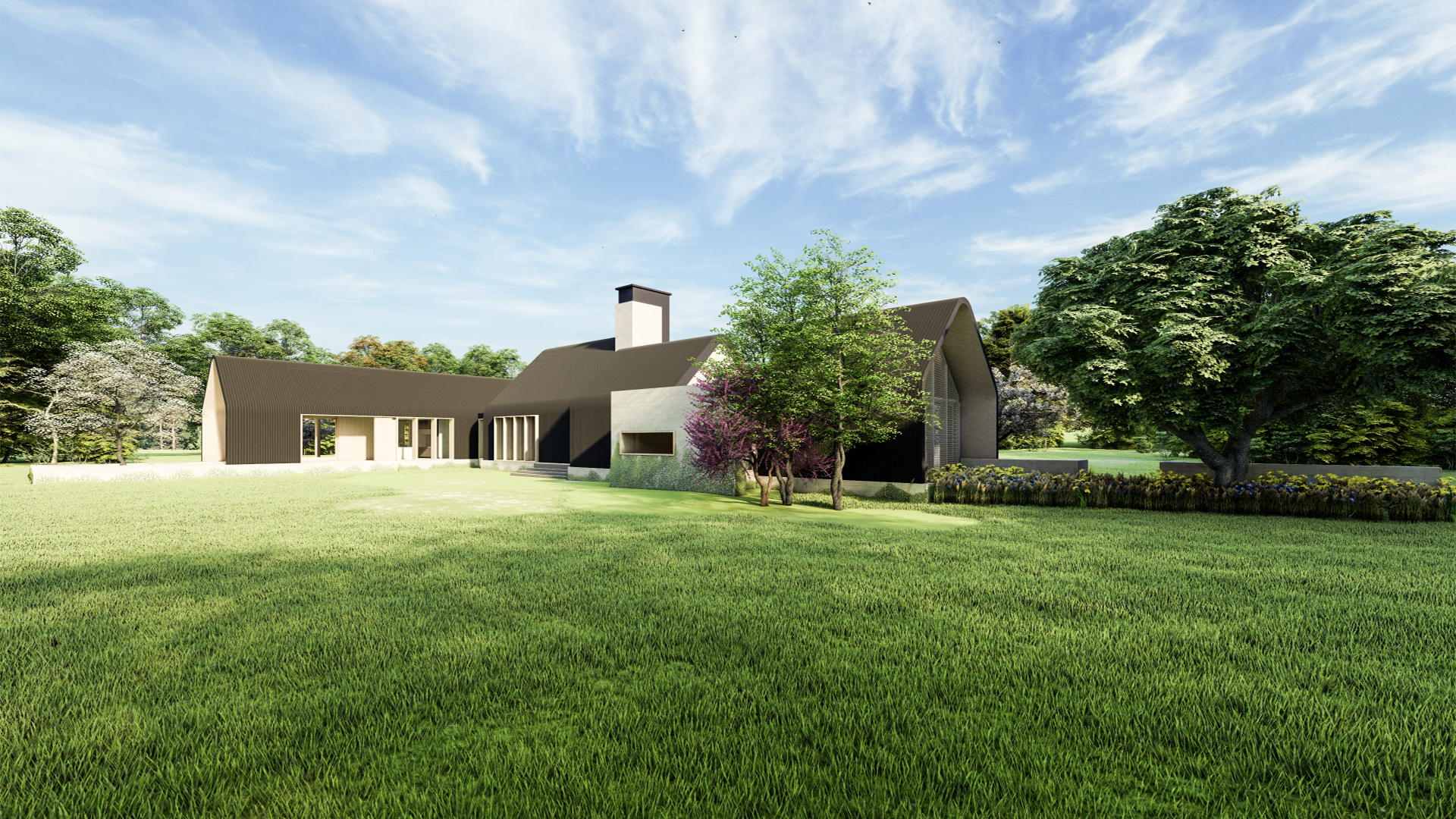
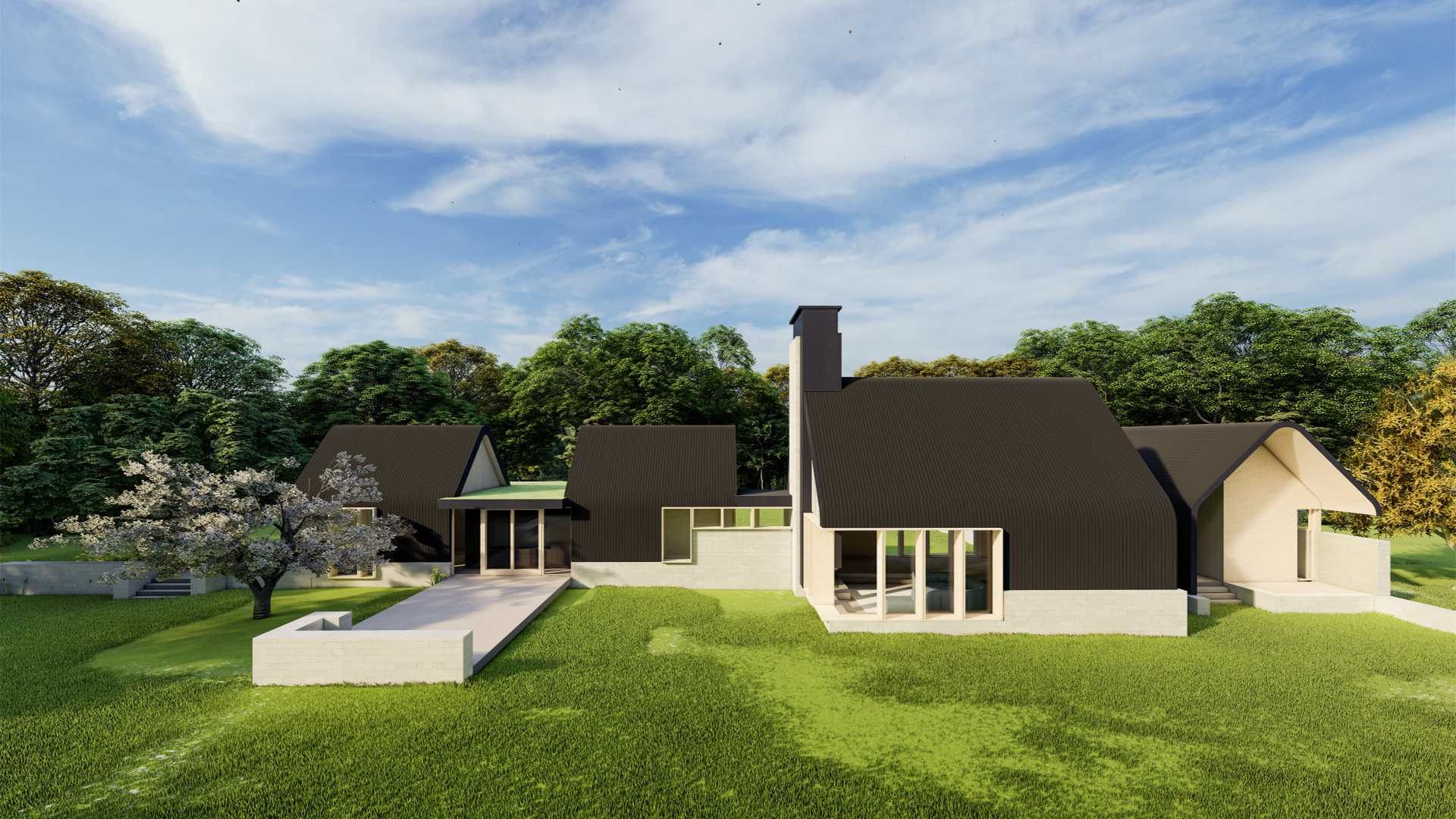
Case Study Zero was self guided research project executed in 2020 with support and funding provided by the Savannah College of Art and Design. Over the last 30 years the building industry has seen massive advancements in the push to combat climate change, even as the headwinds of climate change denial grew more intense. Despite the vocal skepticism, the building industry has seen a wealth of responsibly sourced and sustainably manufactured bio-based materials available for use in all layers of any homes construction. This Case Study home is designed on that fundamental concept. The site and program were derived from a past project in the studio and these variables were selected in order to provide a real world baseline for level setting and comparison to the final WBLCA comparison.
The project targeted the following areas as critical drivers in designing a zero carbon home using bio-based materials and off-site construction methods.
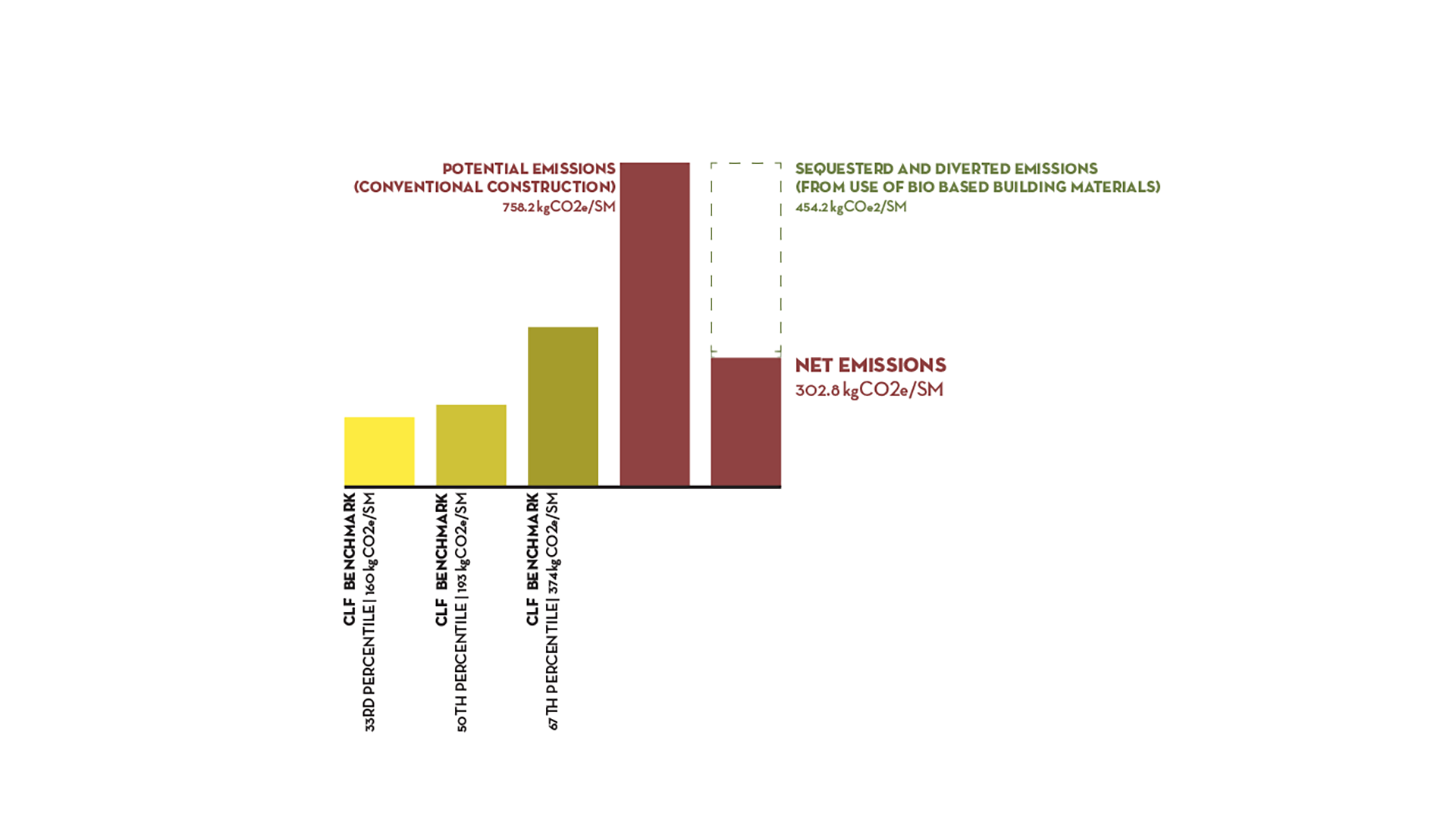
Whole Building Life Cycle Assessment (WBLCA) | The core of the research centered on conducting a rigorous life cycle assessment comparing conventional construction materials against bio-based alternatives. The study measured embodied carbon across all phases of the building's life — from material extraction through end-of-life — to quantify the real-world carbon reduction potential of bio-based construction.
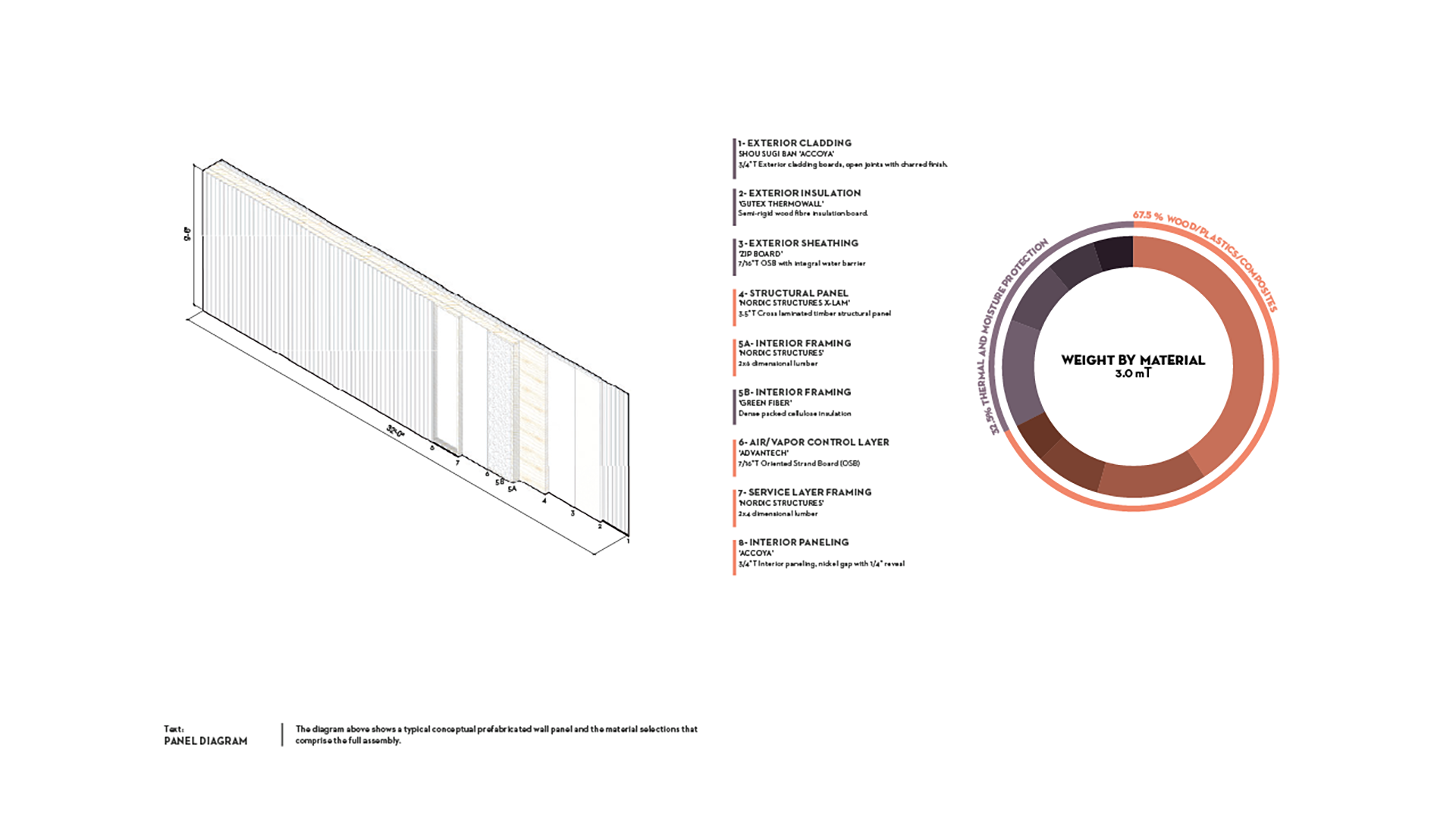
Bio-Based Material Selection | The project prioritized responsibly sourced and sustainably manufactured bio-based materials at every layer of the home's construction. From structural framing to insulation and interior finishes, the team evaluated materials for their carbon sequestration potential, regional availability, and long-term performance in the Virginia climate.
Prefabricated Panel System | The home was designed around a panelized building system engineered for off-site fabrication. This approach minimizes construction waste, reduces on-site disruption, and enables tighter quality control of the building envelope. The panel system was also designed for future disassembly, aligning with circular economy principles.
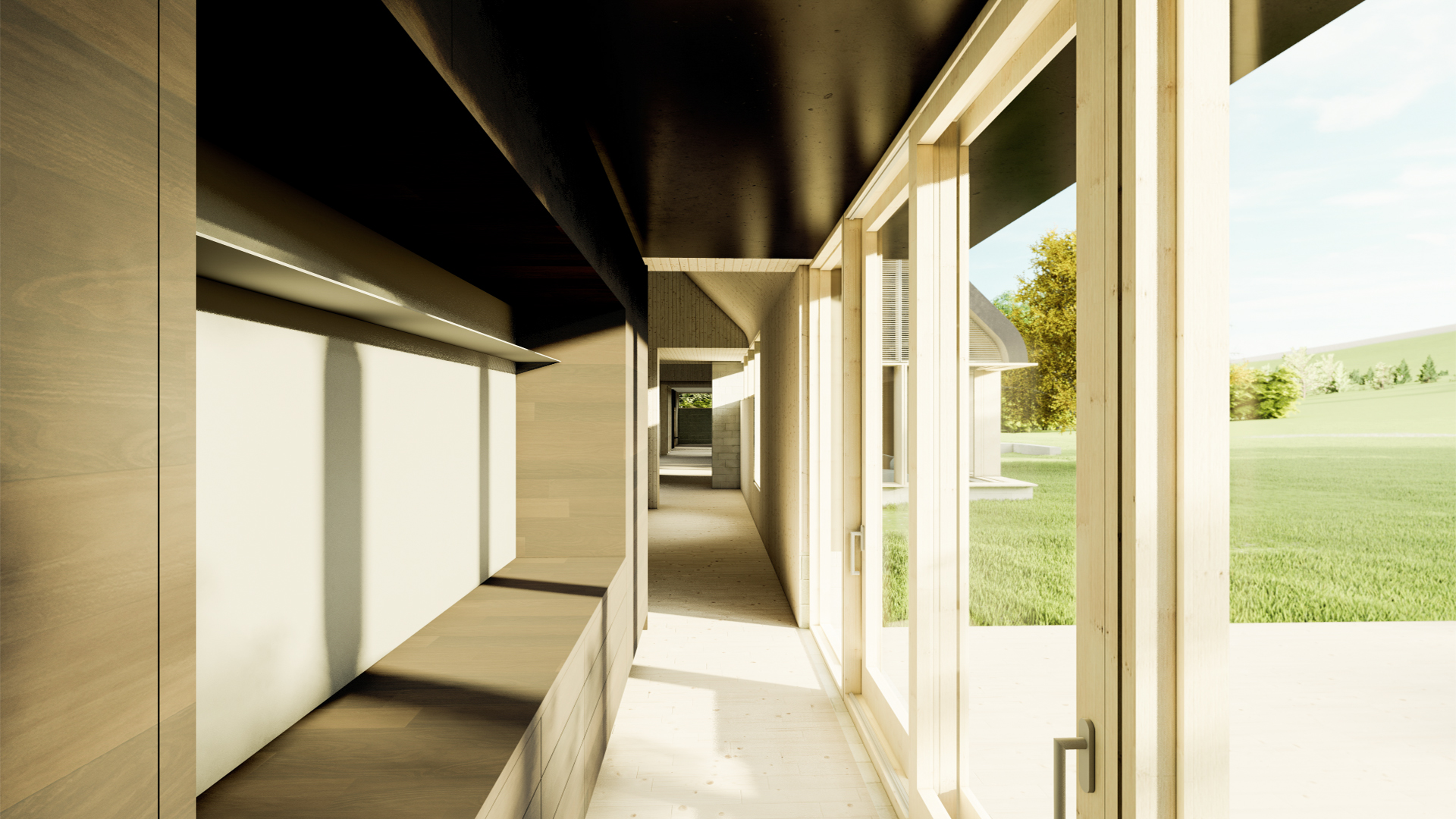
Passive Design Strategies | The floor plan and building orientation were optimized for passive solar gain, natural ventilation, and daylighting. These strategies reduce operational energy demand and work in concert with the high-performance envelope to minimize the home's overall carbon footprint.
Benchmarking and Results | The final WBLCA comparison demonstrated measurable reductions in global warming potential when bio-based materials and prefabricated construction methods were used in place of conventional alternatives. The results provide a replicable framework for future residential projects seeking to minimize embodied carbon.
Gallery